I knew this way of working before I had a job that used it.
My own projects have always run on it. No fixed hours, nobody checking in, the work organized around output rather than presence. A few friends who founded companies run their teams roughly the same way. So when I wrote about how I ended up at a small, fully async company in September, the model itself wasn’t what I was curious about.
What I did expect was to earn my way into it. A first job, I assumed, starts with the conventional version. Hours, presence, someone else setting the cadence. The freedom comes later, over years, once you’ve shown you don’t need any of that.
That isn’t what happened. Two and a half months in, it’s worth writing down what this actually looks like, and what it turned out to demand.
Async first
The default is async. The one fixed piece of structure is a weekly alignment, where the work gets shared and the direction gets checked. Around it, alignment doesn’t wait for anything. It happens continuously, in writing and in the work itself, which carries its own context so someone else can pick it up without a call.
No time tracking. No daily standups. I work when it fits, sometimes on weekends, sometimes not on a given weekday at all, and from wherever I happen to be. Other projects, the occasional freelance job and time with friends get mixed into the same days as the job.
That weekly alignment is close to the minimum a team can run on. Without it, everyone would be working into the void, and at some point it would stop being a team and turn into a set of people who happen to share a codebase. With it, there’s one fixed point each week where everything comes together, and everything between those points stays async.
And it blocks nothing. Nobody waits on it to start anything. Nobody’s week has to be arranged around anyone else’s calendar.
Where the structure went
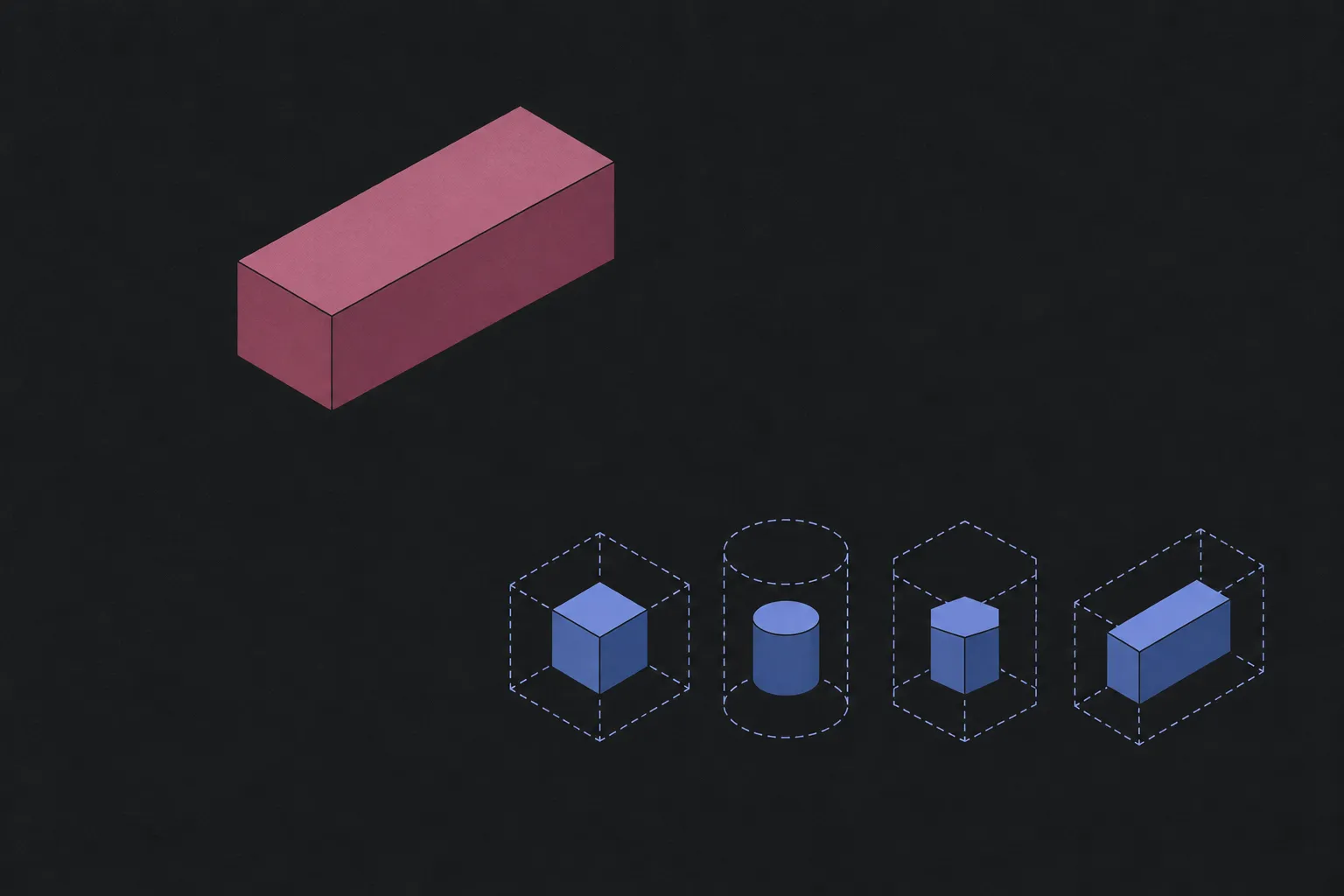
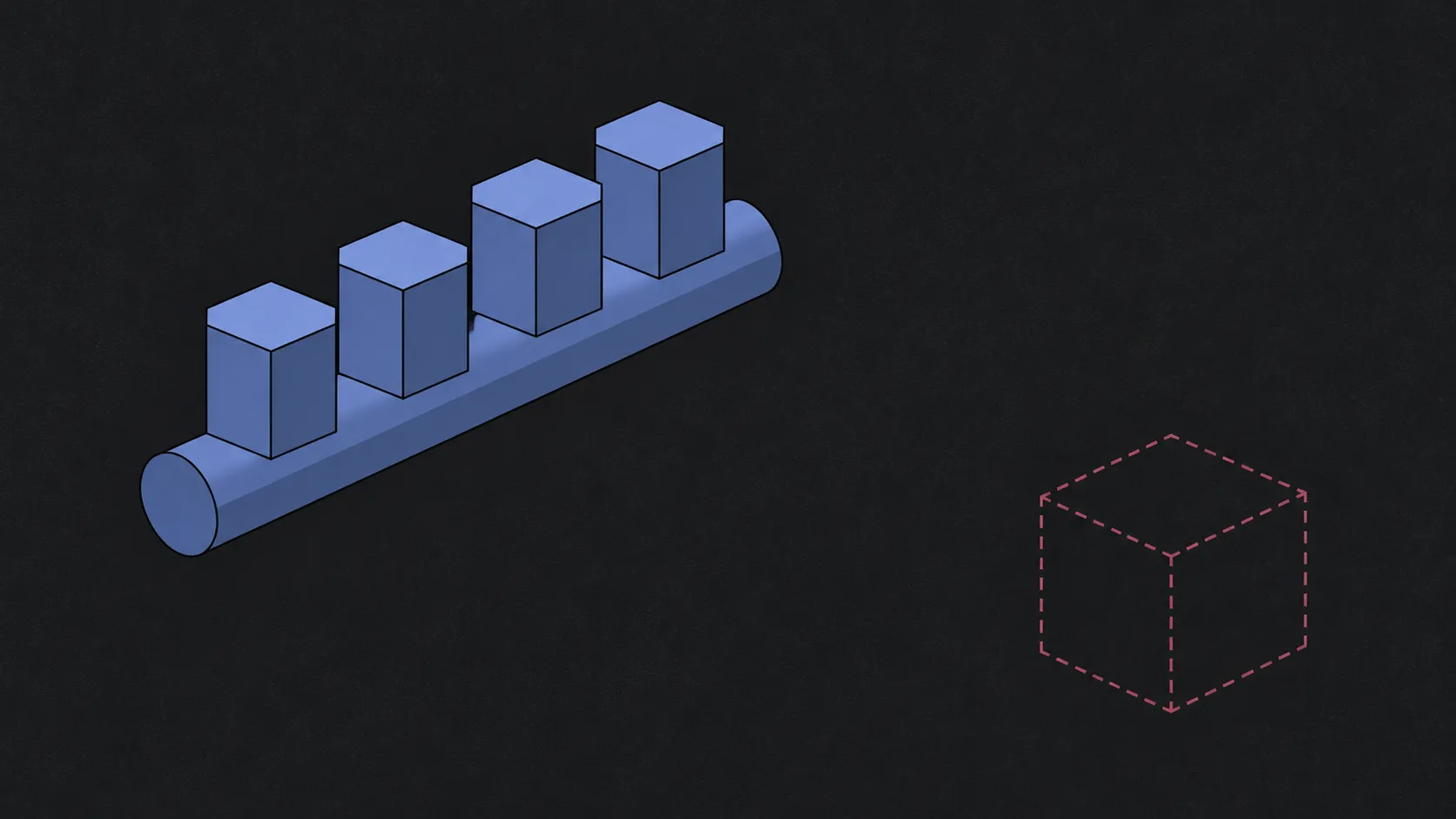
The structure didn’t disappear. It moved.
Everything the company stopped providing (hours, presence, cadence) still has to come from somewhere. If nobody decides when I work, I do. If nobody notices whether I’m around, the only evidence is what I produce. If there’s no daily rhythm imposed from outside, I need one of my own, or the week dissolves into whatever happens to feel urgent.
That’s the only reason the mix holds together. A job and a handful of other projects sharing the same weeks would collapse without something underneath them. What’s underneath is the same set of small, separate systems I’ve been writing about all year, from Small Systems, Long Horizons in June to how they held up through this exact stretch in Revisiting Small Systems, Long Horizons last week. The job didn’t replace those systems. It joined them, as one more thing they carry.
It also lines up with The Difference Between Structure and Control. The weekly alignment, with async everywhere around it, is structure in that sense. It removes a recurring decision (when do we align) without trying to control how anyone’s week goes. Everything else is left to the people doing the work, which only works if they bring structure of their own.
What keeps it in place
The freedom was there from day one. Keeping it is a different matter.
A model like this runs on trust. Nobody has to watch anyone work, but everybody sees the work. That only stays comfortable for as long as the work keeps justifying the room.
So a lot of the first months went into building that trust deliberately. I put real effort into the early weeks, because they set the baseline everything after gets measured against, and I took on responsibility early instead of waiting to be handed it. Not to prove a point, but because that’s what the arrangement asks for in return.
Things are already settling into a bit more structure as the team figures out what it needs. None of this is finished.
I haven’t felt the need for time off. Not because I’m pushing through, but because the work isn’t a burden. It’s how I already worked on my own projects. The difference is that now it’s paid. It’s also as direct a rehearsal as I could ask for, if I end up self employed or founding something of my own.
I don’t think I could have walked into it cold, either. It took the whole year to show up as someone the team didn’t need to supervise. The thesis, the job search, some freelance work, the open source work. That’s what made day one possible.
What it actually requires
Minimal structure at work requires two things. A system of your own that takes over everything the company no longer imposes. And trust, earned through the work you bring, that keeps the company from needing to impose it again.
The first part is reproducible. I could take my systems to any team that works like this, and they would carry the job the same way.
The second part isn’t. Trust doesn’t transfer. It has to be rebuilt every time, with new people, through new work.
It has also changed what I think good work looks like. I can’t picture going back to a nine to five office job. Whatever shape work takes for me over the long run, whether a team like this one, contracting, or someday founding something, it looks like some version of this.
All three run on the same two requirements. Only one of them comes with you.