In June I wrote Small Systems, Long Horizons. The argument was that long term goals push you toward complex systems, and that the ones that actually last are the ones small enough to keep carrying. Fitness with a few exercises and minimal structure. Finnish without the elaborate tracking. A blog that runs on a buffer instead of a weekly writing habit.
It was a design argument. It made sense on paper.
What it didn’t have yet was a real test.
The test
This summer delivered one.
After months of applications that produced no interviews, I came back from a trip to Africa, rewrote my CV, reactivated my network and widened the search into a real pipeline of threads to manage. That’s the story in How I Ended Up at Orbit. At the start of August I moved into my own place. In September I started the new job, and it was comfortably the busiest month of the year. None of it ran on a timeline I controlled, which I wrote about more personally in Learning to Accept Uncertainty.
That is close to the situation the original piece was written for. Lost context, shifting priorities, no stable week to lean on.
What happened to each system
They didn’t all respond the same way. That turned out to be the interesting part.
Finnish dropped to reviews only from September. No new material, no extra sessions, just the daily queue in Mochi. I described that mechanism in Optimizing for Restartability: when the value lives in the practice itself, you dial it down instead of turning it off. A week in Helsinki in October showed what that bought, which I wrote up in How My Finnish Is Actually Doing. The basics were still there.
Running didn’t change at all. Heavy training ran straight through the search, the move and the first weeks of the job, until October. Only then, with the three time targets for the year hit, did I decide not to set new ones, for reasons that have nothing to do with pressure, which I wrote about in Done Chasing Running Times.
Food changed phase. After Africa I did a reasonably hard cut, and it went well. It was designed the same way the rest of my food already was, the boring setup from What Keeps Me Steady Right Now. The same few meals, nothing to decide. The goal changed. The system around it barely did.
And the blog kept publishing every Sunday, through all of it, because of the buffer from I Don’t Write Weekly. Writing happened when it fit. The output never depended on it fitting.
No forced downtime anywhere. No week where everything stopped and had to be started again from scratch.
Why it held
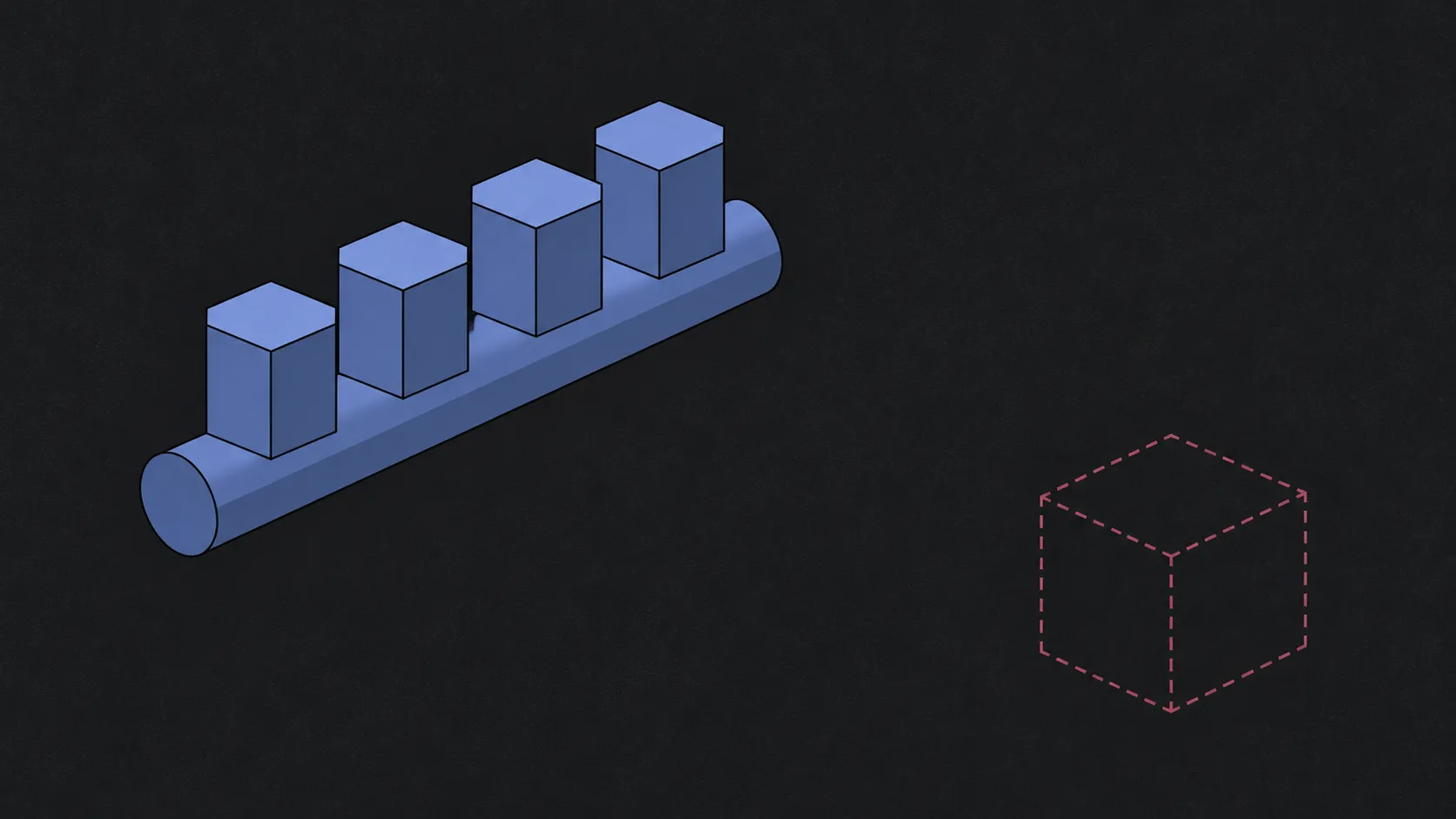
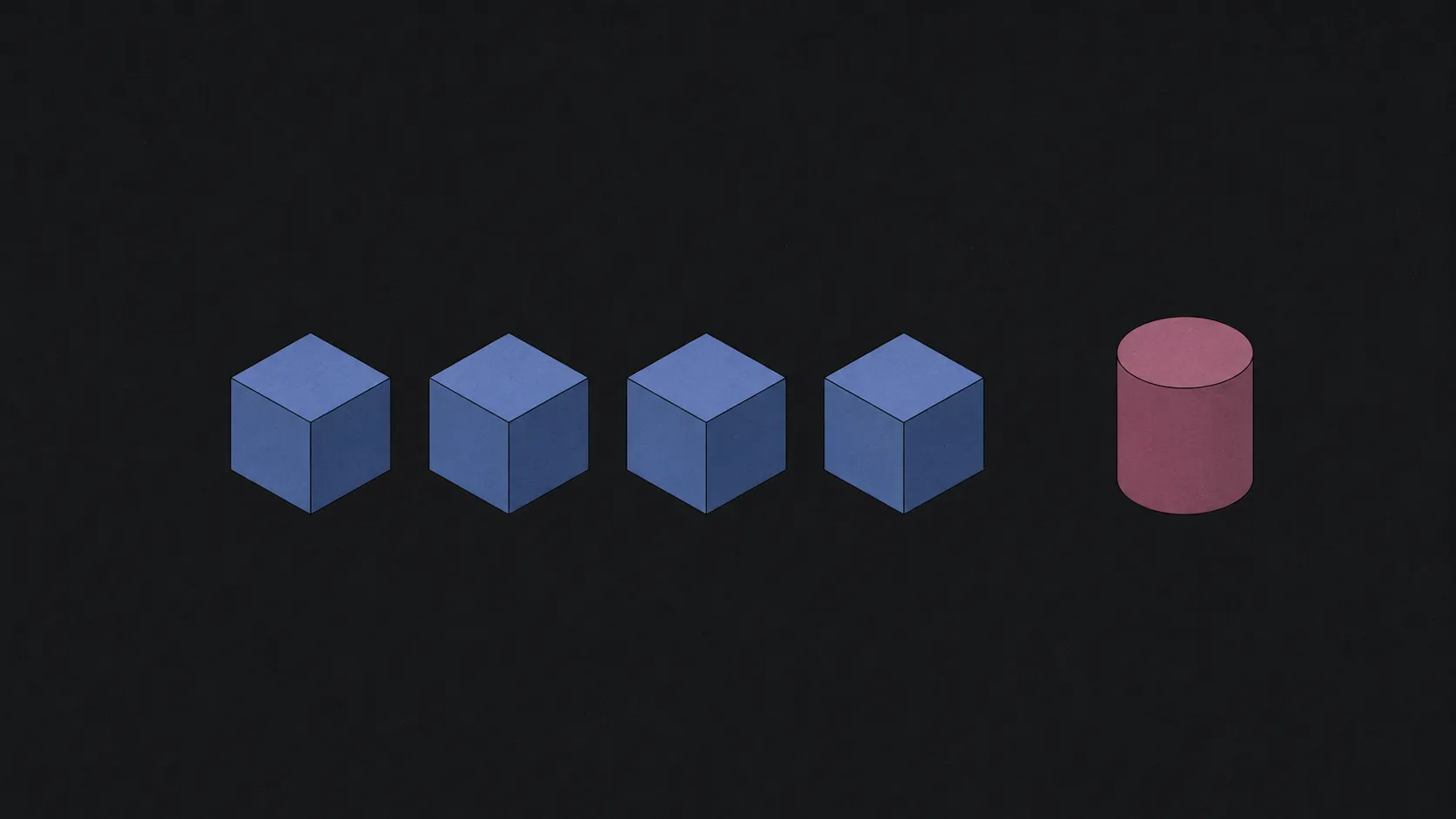
One system went down. One kept going at full intensity. One switched to a different goal. One ran on stored output. Four different responses to the same stretch, and none of them needed a redesign.
That only works because the systems were small and separate. Each one could be adjusted on its own terms, based on what it actually needed, without touching the others. Dialing down Finnish didn’t free up anything running depended on. Starting the cut didn’t mean rethinking anything except portions. The blog didn’t care about any of it.
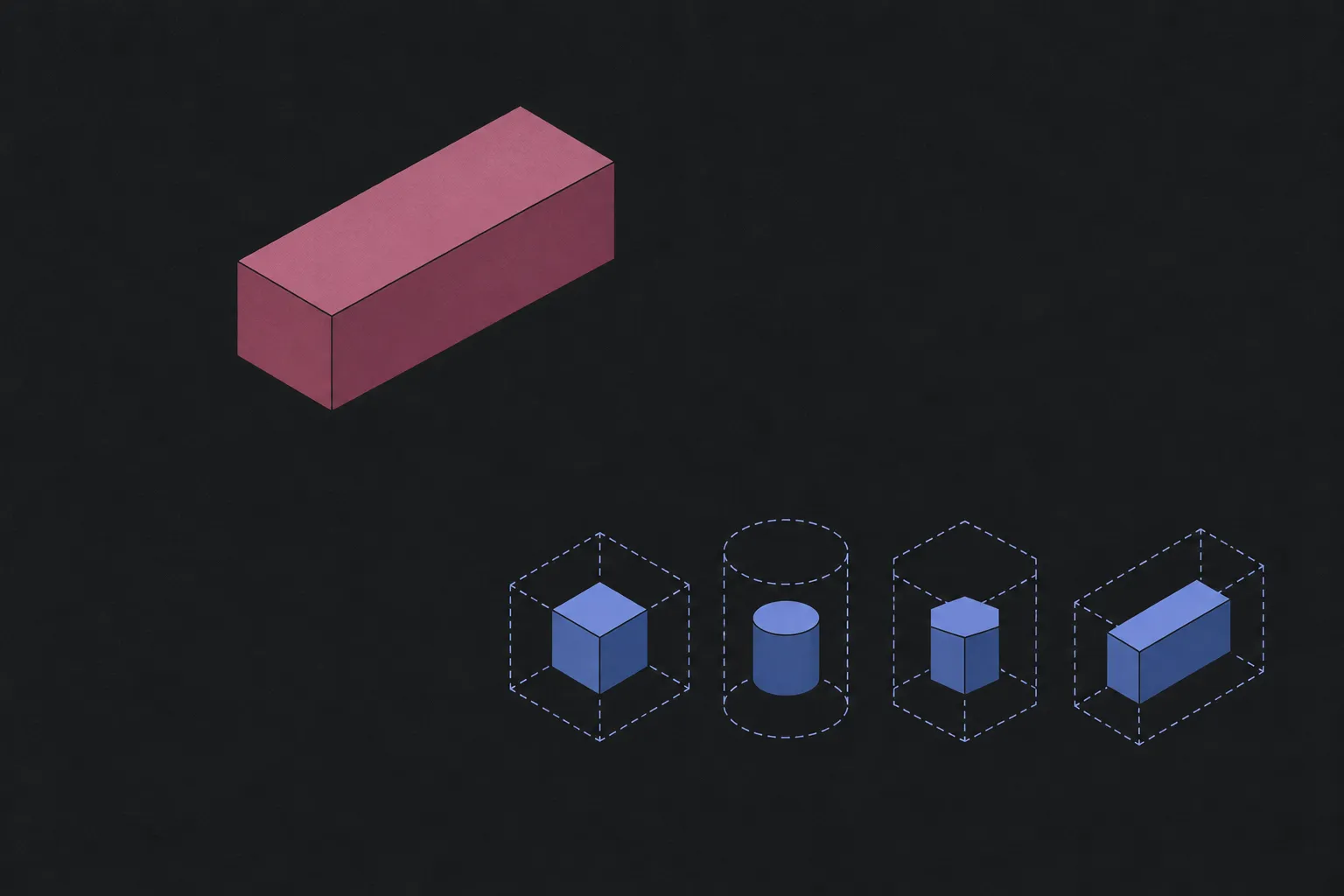
That is the part the original piece only gestured at. I wrote that a small system is easy to understand after a break and easy to restart. What the year showed is the broader version of that. Small systems are cheap to change, individually, in whichever direction each one calls for, while everything around them is still moving. Pressure didn’t have to be answered with one blanket decision about everything. It got answered one small decision at a time.
It’s the property I look for in software too. Not how much a system does at full capacity, but how much it costs to change one part of it when the conditions change, without the rest having to follow.
Closing
In June the argument was that long horizons need systems small enough to survive.
This year confirmed it, with one refinement. Surviving didn’t mean staying the same. It meant each system could take whatever adjustment it needed, and every one of those adjustments was cheap enough to actually make.
Small isn’t about how little a system does. It’s about how easily each part changes.