The usual advice for learning a language is to train all four skills evenly. Reading, writing, listening, speaking. And if speaking lags behind, the fix is supposedly simple: go to the country, and it will come.
I never built my Finnish that way.
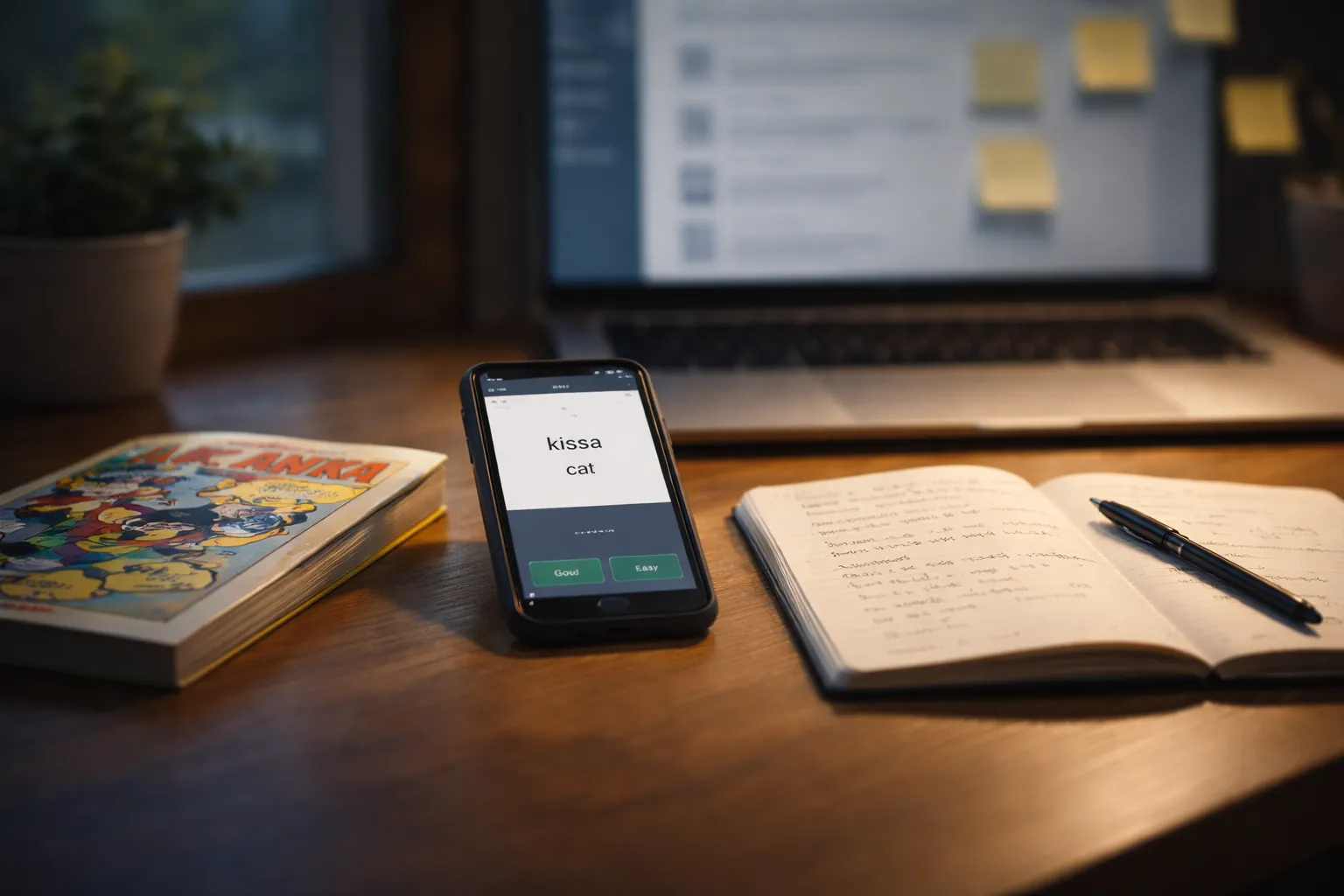
The system I wrote about in February was text first. Daily Mochi reviews. Aku Ankka. Luottomies with Finnish subtitles. Tandem chats. Work and university were busy, and I designed for low capacity days, which meant training what I could train effectively in the gaps. Speaking was the part I left out.
In October I was back in Finland for a week, in Helsinki this time. A good moment to see how that choice holds up outside a flashcard app.
What worked
Basic Finnish worked fine.
I worked out of an Espresso House most mornings, had breakfast at the hostel, went bouldering, and spent a lot of time just going through the city. Ordering, paying, asking for what I needed, reading signs and menus without thinking about it. The everyday layer of the language was there and usable.
That is also worth saying because the system has been in a reduced mode since September, reviews only. Optimizing for Restartability argued that the reduced version protects the review queue and the habit, without claiming anything about how much Finnish survives. The trip answered that part. What the system built was still there.
What the trip actually confirmed
Past the basics, conversations moved to English.
Finns speak excellent English, and once a conversation goes somewhere more involved, switching is the efficient and polite thing to do. Nobody is going to wait while a visitor works through a sentence when both sides could just have the conversation.
I knew that going in. The trip made it concrete. Speaking is the hardest part of Finnish to train effectively, and not only because producing language in real time is hard. The environment works against it. Even in the country, speaking practice does not happen by default. You have to engineer the conditions for it, and the people you would practice with have every reason to make it unnecessary.
That is why it stayed out of a system designed for busy weeks.
Trainability belongs in the decision
When deciding where limited effort goes, the obvious question is value. Which skill matters most?
The question I find more useful sits next to it: how effectively does effort turn into progress here, in the environment I actually have?
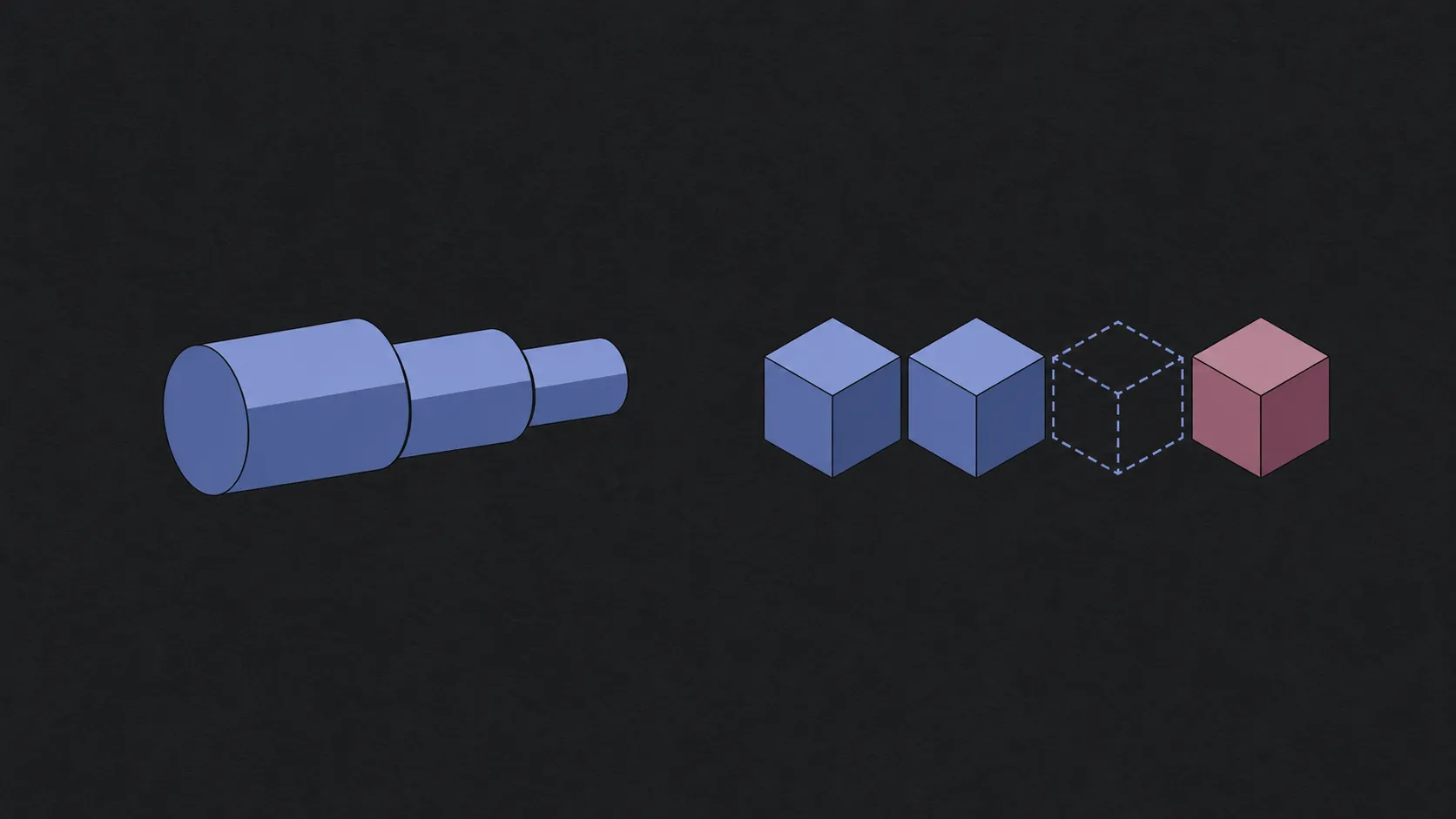
For reading, the answer was very well. Comics, subtitles and flashcards fit into a short slot on a tired evening, and each session moved something. For speaking, the answer was poorly. It needs a partner, a time slot, and a setting where switching to English is not the easier option for everyone involved. On a constrained schedule, that is a lot of effort for slow returns.
The text first system was a scoping decision. Put the effort where it converts, and accept that the part left out will stay behind for a while. It is the same reasoning as in How I Decide What Not to Build. A good cut is not one without a cost. It is one where you know the cost and chose it.
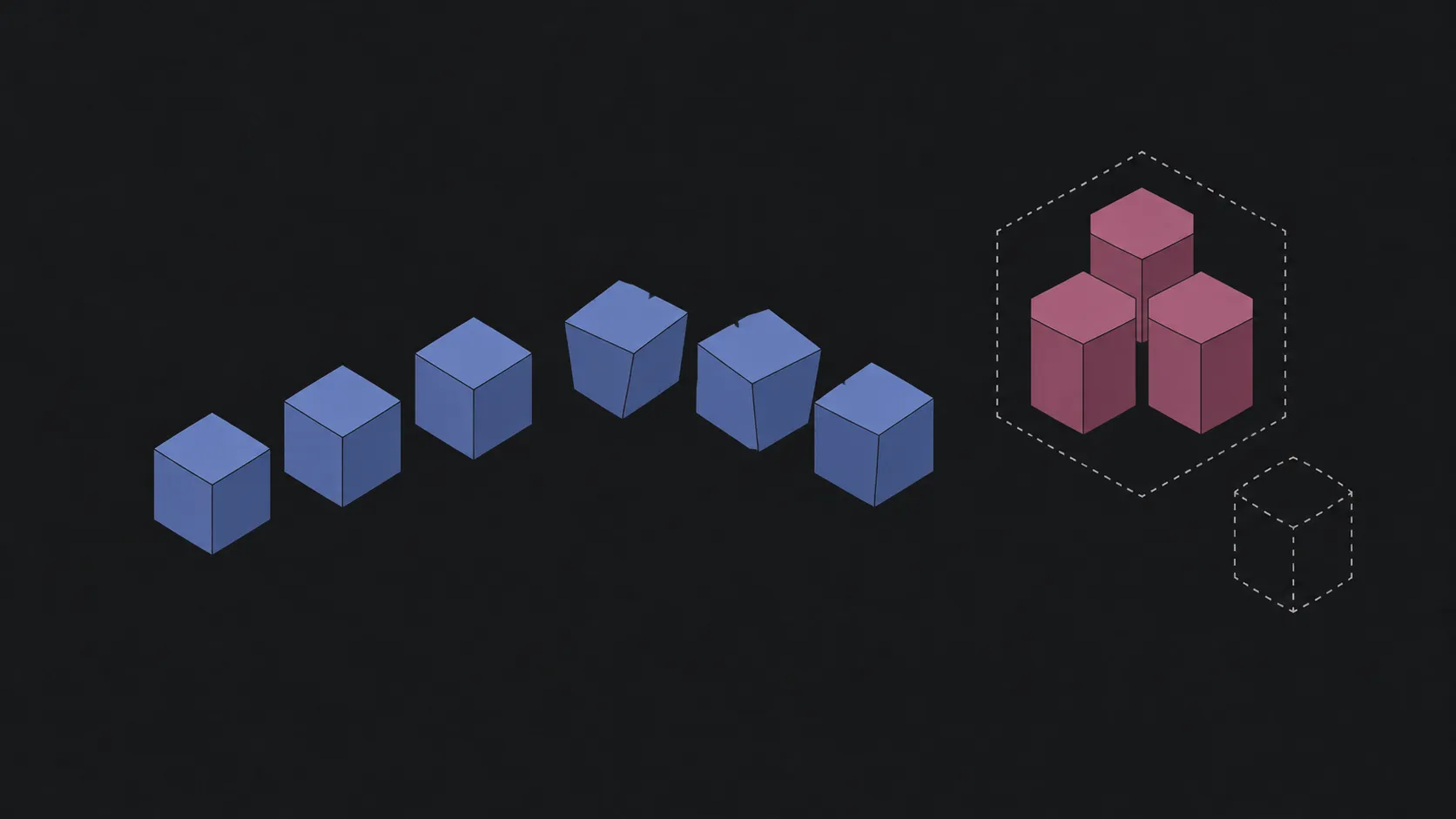
This applies well beyond languages. Some capabilities resist training because the surrounding conditions push against them, not because they are inherently more valuable or more difficult. Treating them like everything else, more hours and more consistency, tends to burn effort for little return. Often the better move is to build what can be built in the meantime, because a lot of it carries over once the hard part gets its turn.
Closing
My Finnish is doing about what I designed it to do. The everyday basics work, reading carries me through a city, and the system kept running through a reduced stretch without losing what it built.
Speaking is still the eventual goal, and there is a long way to go. It is also the hardest part to train, in a country that makes it easy to skip.
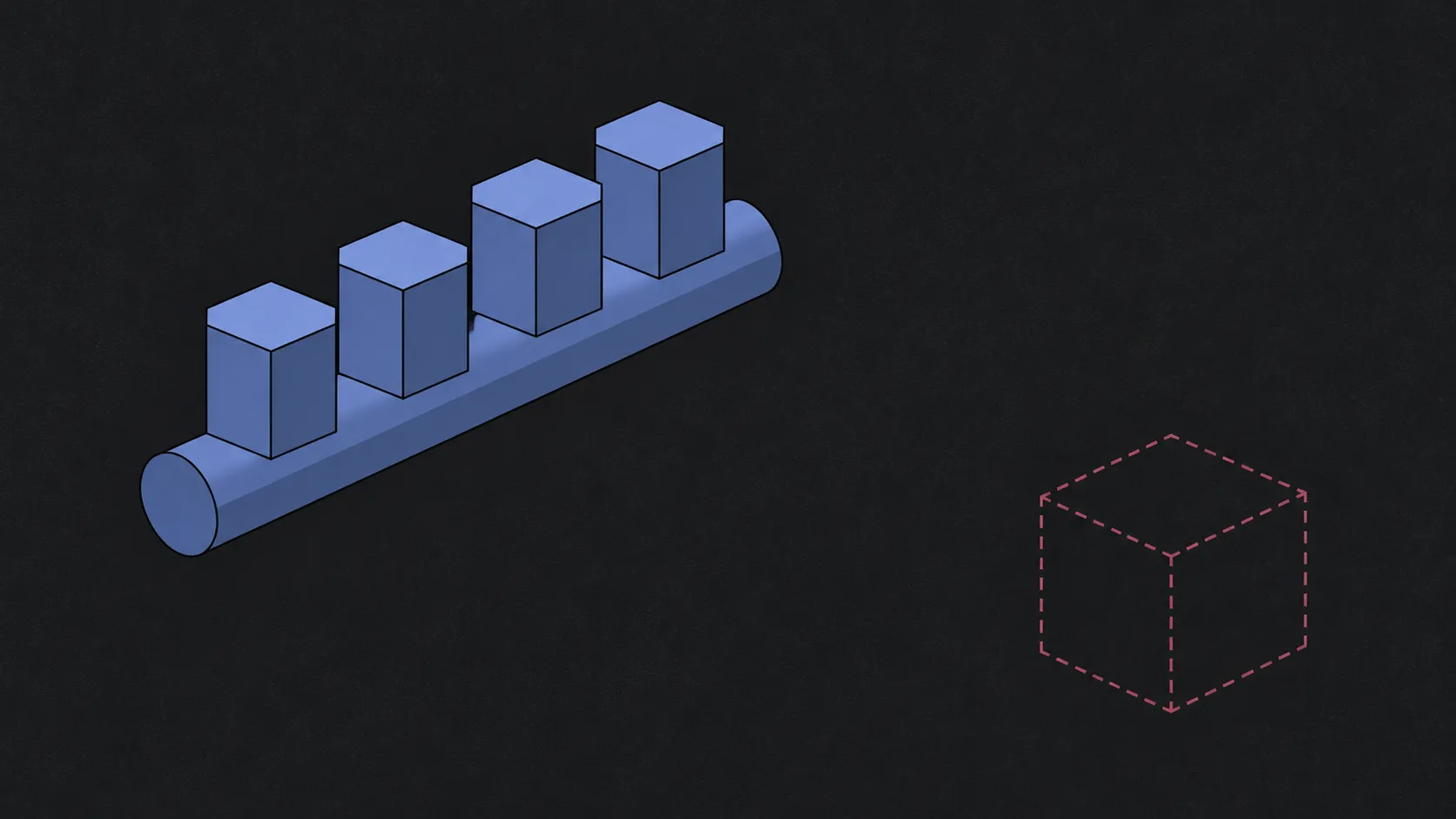
Until then, the effort goes where it converts. And I think the more vocabulary, grammar and comprehension there is underneath, the easier speaking will come once it gets the focus.