Over the last few months, I started interviewing more seriously again.
Mostly after spending a long time in my own bubble:
- thesis work
- freelance projects
- side projects
- infrastructure decisions
- product experiments
I went into the process expecting mostly technical evaluation.
Algorithms. Systems design. Technical depth.
Some of that was there.
But the more interesting part turned out to be something else entirely.
The conversations that felt strongest
The discussions that felt most natural were rarely about implementation alone.
They were about tradeoffs.
Why certain systems become too complex. How teams make decisions. How technical choices affect products and the people working around them.
The strongest conversations felt collaborative rather than interrogative.
Less like solving isolated technical puzzles.
More like trying to understand how someone thinks.
That surprised me a bit.
Technical depth is not enough
One thing that became clearer during these conversations is that strong engineering work goes far beyond writing good code.
The recurring themes were:
- communication
- ownership
- simplifying complexity
- balancing technical and practical constraints
- explaining decisions clearly
Technical depth still matters a lot.
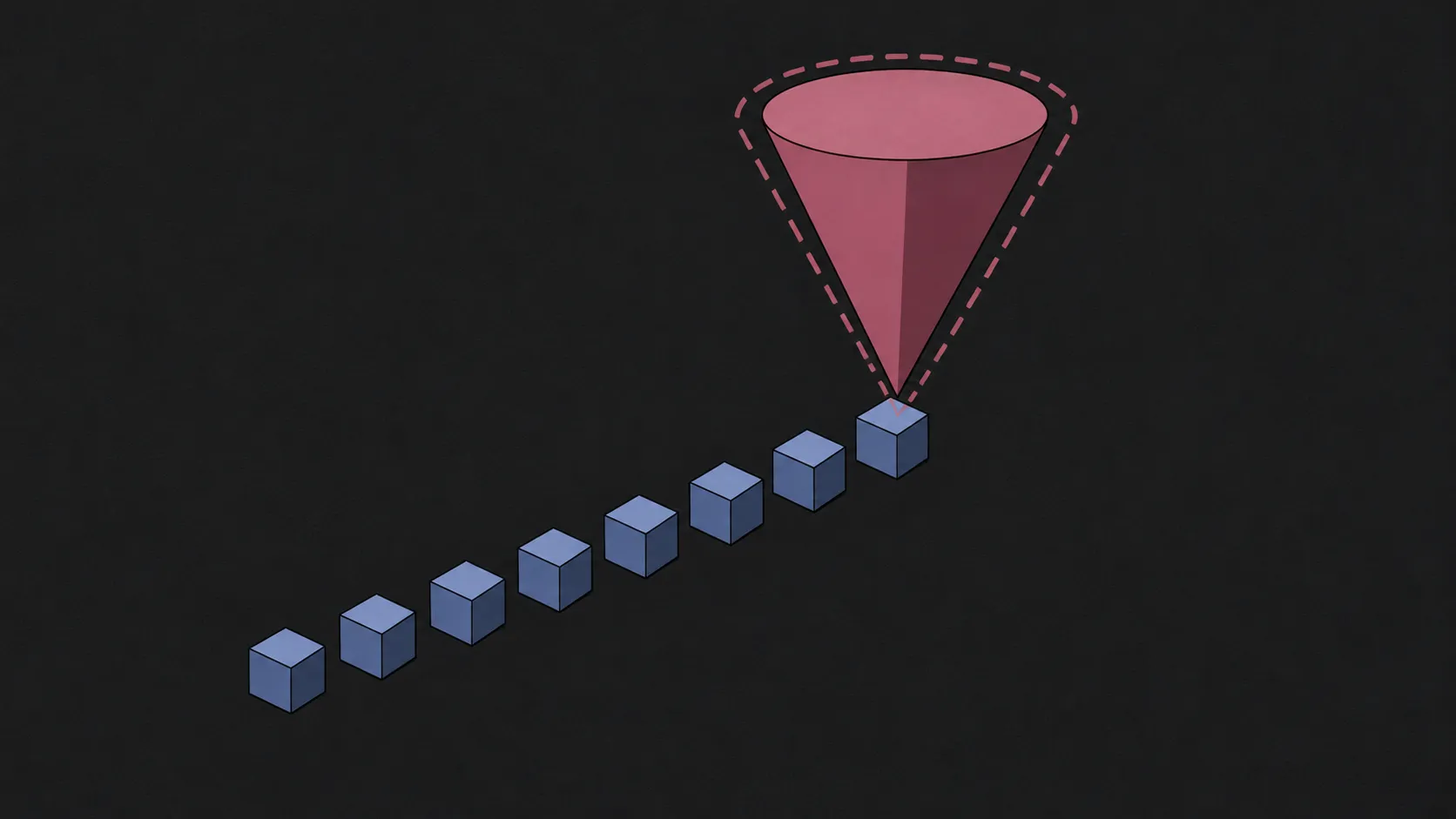
But increasingly, it feels more like a foundation than the end goal itself.
The engineers I find most impressive are usually not the ones optimizing the hardest algorithm in the room.
They are the ones who:
- create clarity
- make systems easier to work with
- help teams move forward
- understand both technical and human constraints
That is a very different kind of skill.
They also tend to elevate the people around them.
One thing I underestimated for a long time is how much growth comes from strong networks and collaborative environments.
Not just learning from other people technically, but improving how you think, communicate, and approach problems together.
What felt natural
The topics I consistently enjoyed most sat somewhere between systems thinking and product work.
Architecture discussions. Tradeoffs. Long-term maintainability. Simplifying workflows. Understanding where complexity is actually useful and where it just creates drag.
That pattern shows up in a lot of the things I naturally gravitate toward:
- backend systems
- infrastructure decisions
- developer experience
- product-oriented engineering
- technical ownership beyond implementation itself
Not because I want to move away from engineering.
But because I increasingly enjoy understanding the broader problem around the technology.
What did not fit as well
The process also clarified the kinds of environments that feel less natural to me.
Not specific companies, but certain ways of working.
Highly rigid structures. Complexity disconnected from practical value. Systems optimized more for process than for outcomes.
At the same time, I also realized I do not want the opposite extreme either.
Pure chaos is not particularly interesting to me.
What I am drawn toward is probably somewhere in the middle:
- pragmatic
- collaborative
- technically strong
- but still grounded in real problems and useful outcomes
What I am still improving
One recurring theme across interviews was communication.
Especially conciseness and clarity.
That feedback was fair.
It also matched something I had already started noticing in other parts of my work:
- mentoring
- writing
- presenting ideas
- explaining technical decisions
The more responsibility extends beyond implementation alone, the more important those skills become.
And honestly, that growth feels interesting to me.
Especially because it expands the ways you can contribute.
Not just through implementation, but through communication, mentoring, alignment, and helping other people work more effectively too.
Not less technical.
Just broader.
Closing
I do not think I have a perfectly defined lane yet.
But the direction feels much clearer than it did a few months ago.
Less optimizing purely for technical depth.
More for the ability to understand systems, people, and problems together.
That feels like a much more interesting direction to grow into.