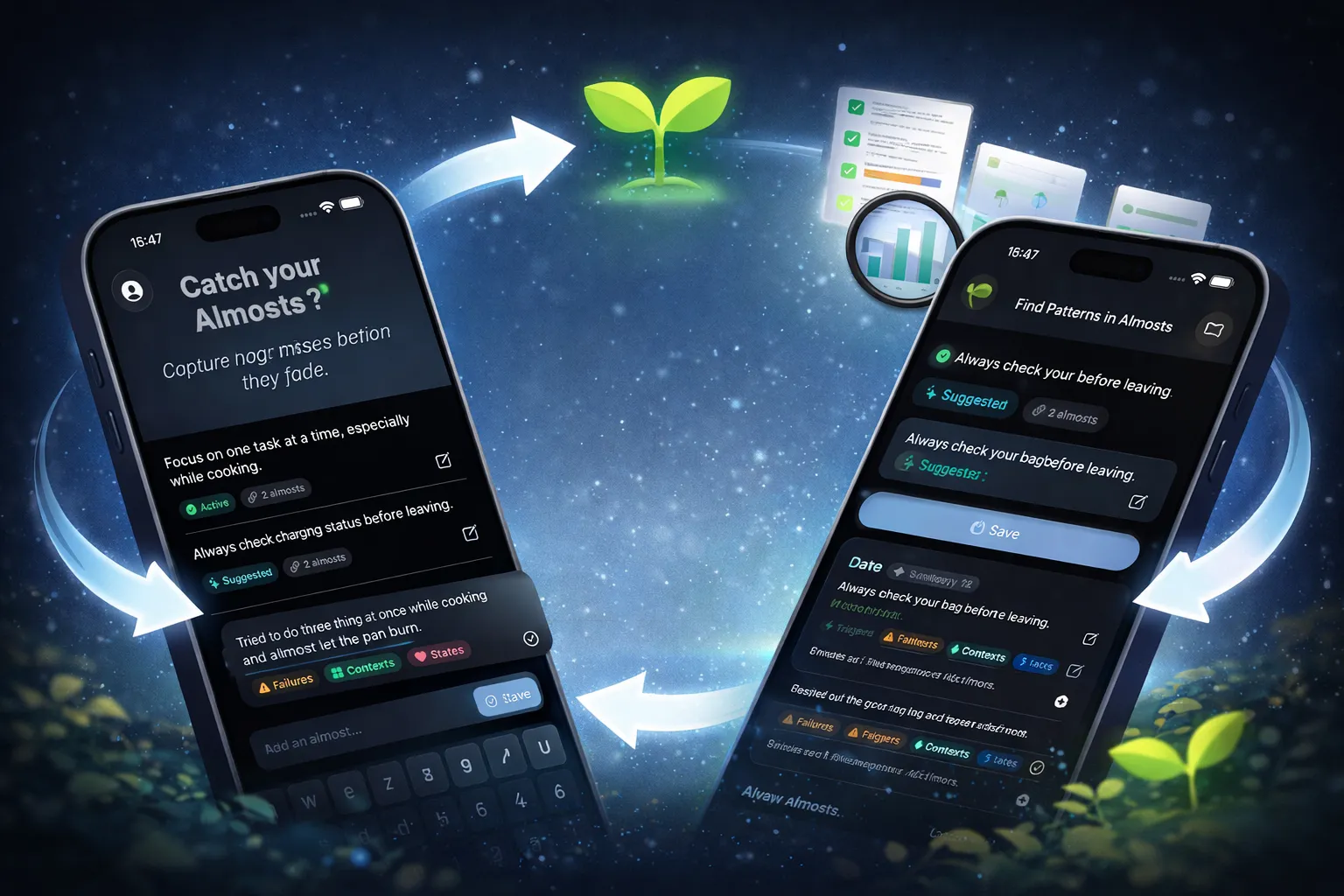
Motivation is a terrible control system. It is volatile, sensitive to sleep and stress, and it fails exactly when you need it most. Learning Finnish became easier the moment I stopped treating it like a willpower problem and started treating it like a systems problem. And the goal wasn’t fluency, it was learning Finnish consistently.
A few years ago I learned Spanish “properly.” I took two university courses, kept a Duolingo streak, read Fluent Forever, and used at first Anki and then their app to build vocab. It worked, up to a point. I can still understand some Spanish today. But I never pushed beyond that plateau, mostly because I lacked regular, real production. The system produced exposure, but not enough consistent output. The funniest proof is that my Spanish production is now partially overwritten by Finnish. When I try to speak Spanish, my brain helpfully provides an incoherent mix of mostly Finnish with some Spanish sprinkled in, like an aggressively confused tourist.
So this time I started from the actual failure mode: I do fine when I feel like it. I stall when life gets busy. The fix was not “try harder,” it was “make the default smaller and more consistent.”
A simple model: inputs, friction, feedback, consolidation
Language learning has a few boring components that matter more than motivation:
- Exposure: reading and listening until the language stops feeling alien.
- Retrieval: forcing your brain to recall words and patterns.
- Feedback: noticing what was wrong and fixing the important bits.
- Consolidation: repeating that process until it sticks.
If any of these depend on a big heroic session, the system collapses under time and energy constraints. Mine definitely does. Work and university are busy right now, so I had to design for low capacity days.
The system I actually follow
My baseline is intentionally unglamorous:
- Daily: finish my scheduled Mochi reviews (usually around 50 cards, sometimes up to 100, often less).
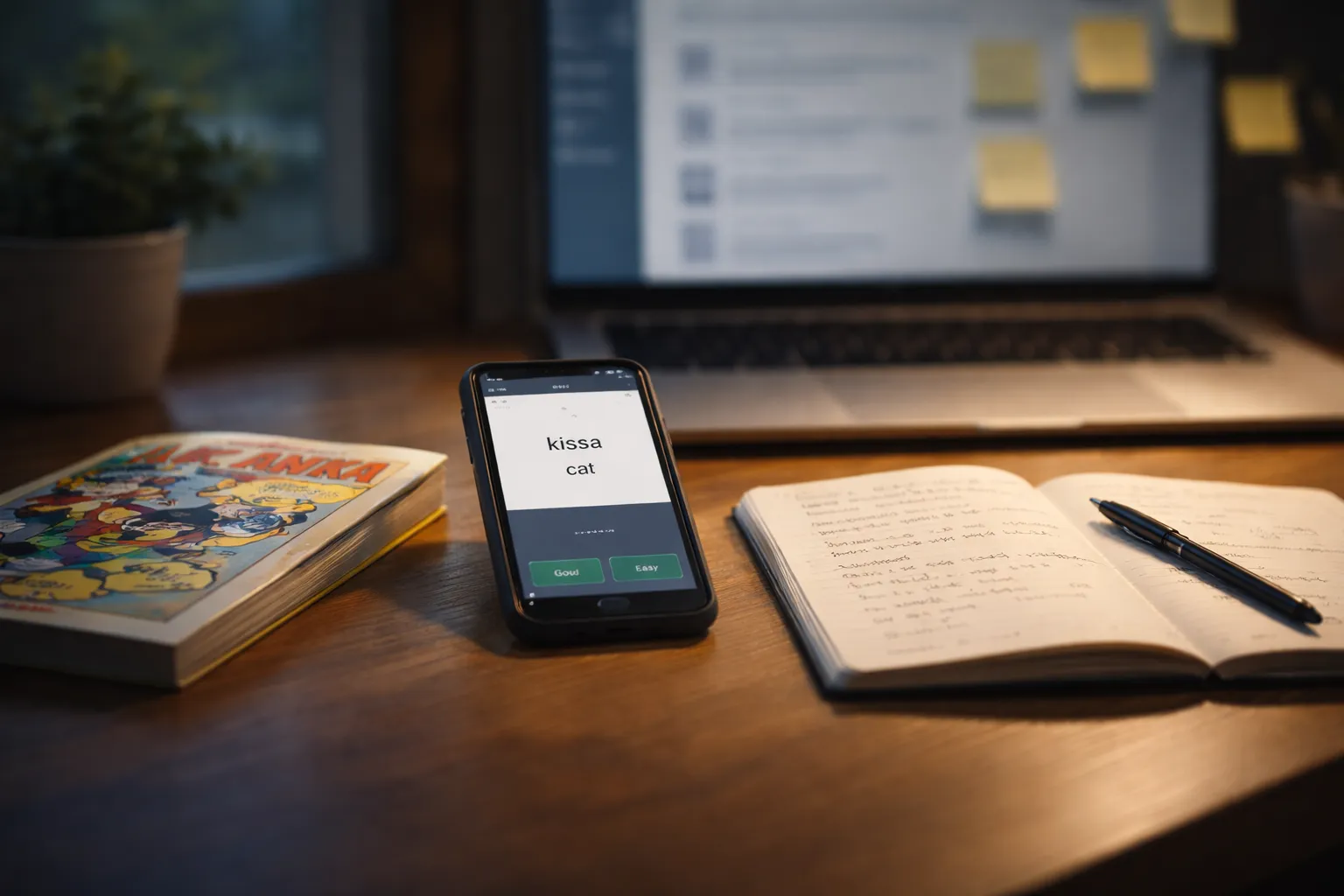
- Weekly: at least one hour split across real inputs and outputs: a Tandem chat, some Aku Ankka, and an episode of Luottomies.
Mochi is the backbone because it reduces friction. I can write cards in Markdown, organize with tags and decks, and sync between laptop and phone without fiddling with templates or automation. I have nothing against Anki. I used it before and even built a whole pipeline for Spanish with templates and image automation. It was clever, and it did not make learning better. This time I want “works on tired days,” not “beautiful system I maintain instead of learning.”
My deck is mixed by design: vocabulary, grammar, and phrases. For vocab I only do base forms. No elaborate case drills, no derived nouns and verbs as separate cards, unless I actually need them. Keeping it light keeps it usable.
Feedback without perfectionism
Feedback is mostly self correction. ChatGPT helps when me understand the language deeply, and I always use Finnish subtitles for immersion. No German or English subtitles as a crutch.
The biggest upgrade lately has been doing content in multiple passes:
- A fast pass to get the general meaning.
- A slower pass to pick out unknown words, notice patterns, and add a few high value items to Mochi.
I follow an 80/20 rule. I correct the important and recurring mistakes, not every nuance. Sometimes I go deeper if something is linguistically interesting, but that’s curiosity, not obligation.
This is basically the “make it easy to do the right thing” principle in practice. If you want a name for it, James Clear has written the popular version of the idea. The point is not the citation, it’s the design: remove friction from the behaviors you want to repeat.
What changed (and what did not)
I’m not fluent. I still check what I write and I still make mistakes. But the system produces steady signals that I’m improving:
- I can grasp the meaning of a Luottomies episode much better now.
- Text production is more fluent, and I can write useful sentences as long as I’m not trying to discuss metaphysics.
The real win is that progress no longer depends on how inspired I feel. Motivation can show up or not. The pipeline keeps running.
A template you can steal
If you’re learning a language (or anything else) under real life constraints:
- Define the minimum. Make it small enough to survive bad days.
- Default to repetition. Reviews and exposure beat occasional marathons.
- Engineer feedback. Correct the high impact errors and move on.
Motivation is nice. Systems are reliable. And if my Spanish has to be sacrificed to the Finnish gods along the way, so be it.